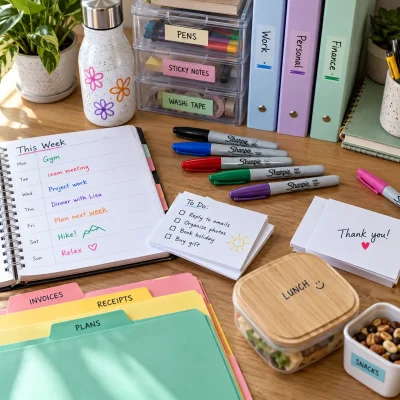
Keeping an office running smoothly takes more than a few pens and a stack of paper. From the moment someone walks through the door in January to the last print job before the Christmas break, every desk, drawer and stationery cupboard plays a part in how well a team works. In this article, we look at what it really takes to keep a workplace well equipped all year round, and how a bit of planning can save you money, time and a fair amount of stress.
What it means to have a workplace well equipped
Being properly stocked is not just about having enough paper clips. It means every person in the building has what they need to do their job without hunting through cupboards or waiting days for a delivery. A workplace that is well equipped covers everything from basic stationery to printers, chairs, storage and even the small comfort items that make a working day feel less of a slog.
Many businesses only think about supplies when something runs out. That reactive approach often costs more in the long run, because rush orders and last-minute purchases tend to come with higher prices and less choice. A better method is to treat office supplies as part of the yearly planning process, much like you would with staffing or budgeting. Our piece on how to win the battle over buying office stationery goes into more detail on why planning ahead beats last-minute scrambling every time.
Building a workplace equipment checklist
One of the simplest ways to stay on top of supplies is to build a proper workplace equipment checklist. This does not need to be complicated. Start by listing every item your team uses regularly, from paper and pens to staplers, folders and printer cartridges. Then group these into categories such as daily stationery, technology accessories, furniture and cleaning supplies.
Once you have your list, add a column for how often each item needs replacing. Paper and toner might need reordering every month, while things like staplers or desk organisers only need replacing occasionally. This turns your workplace equipment checklist into a living document that you can update as needs change, rather than something you write once and forget about.
It also helps to assign someone in the office the job of keeping an eye on stock levels. This does not need to be a full-time role, just a regular ten-minute check each week to see what is running low. Small habits like this stop the panic of realising there is no paper left five minutes before an important meeting.
Seasonal planning to keep supplies steady
Office needs shift throughout the year, and a bit of foresight goes a long way. Winter months often bring a spike in printing as year-end reports and tax paperwork pile up, while summer might mean fewer staff in the building but more demand for things like fans or extra stationery for temporary workers covering holidays.
Planning your orders around these patterns means you are never caught out. Buying paper in bulk before a busy quarter, for example, tends to work out cheaper than ordering small amounts repeatedly. You can browse a wide range of options on our plain paper page, which covers everything from standard printer sheets to heavier stock for presentations.
It is also worth thinking about how storage space affects your ordering habits. If your stockroom is small, ordering little and often might suit you better than buying in bulk, even if the per-unit cost is slightly higher. The goal is to strike a balance between having enough stock on hand and not cluttering your office with boxes you will not use for months.
Choosing the right equipment for daily use
Stationery is only part of the picture. A workplace also needs the right equipment to function properly day to day. This includes printers, scanners, shredders and even simple things like staplers and hole punches that get used dozens of times a day without anyone really noticing them, until they break.
When choosing office equipment, think about how often it will be used and by how many people. A small printer might be fine for a five person office, but a larger team will need something built to handle higher volumes without breaking down every few weeks. Our guide to office equipment across the UK gives a useful overview of what to look for depending on your office size and budget.
It is also worth thinking about maintenance. Equipment that is well looked after lasts longer and performs better, which saves money over time. Simple things like regular cleaning of printer heads or emptying shredder bins can extend the life of your equipment significantly.
Keeping your workplace well equipped on a budget
Cost is often the biggest worry when it comes to office supplies. The good news is that keeping a workplace well equipped does not have to mean overspending. A few smart habits can make a real difference to your yearly costs.
Buying in bulk is one of the easiest ways to save money, particularly for items you use constantly such as paper, pens and printer cartridges. Our range of paper and card products includes options suited to bulk orders, which can bring the cost per sheet down considerably compared to buying small packs.
Another way to manage costs is to compare suppliers rather than sticking with the same one out of habit. Prices and quality vary more than people expect, and a little research can uncover better deals without sacrificing quality. Our article on what you don’t know about office stationery items could be costing you more than you think covers some of the hidden costs businesses often overlook, from shipping fees to minimum order requirements.
Setting a clear budget for supplies each quarter also helps avoid overspending. When there is no set limit, it is easy for small purchases to add up without anyone noticing until the invoice arrives. A simple spreadsheet tracking spend against budget can highlight patterns and help you plan future orders more accurately.
Sourcing supplies from a reliable place
Where you buy your supplies matters just as much as what you buy. A reliable supplier means fewer delays, consistent quality and better support if something goes wrong with an order. Working with a single trusted source also simplifies your accounts, since you are not juggling invoices from five different companies.
For businesses looking for a straightforward place to order everything from paper to desk accessories, our office supplies range covers most of what a typical workplace needs in one place. Having a single point of contact for reordering also makes it easier to spot when prices change or when better deals become available.
If you are curious about what actually goes on behind the scenes of the office supply industry, our piece on facts about the office supply business that only a few people know is worth a read. It explains some of the less obvious factors that affect pricing and availability, which can help you make smarter purchasing decisions.

FAQs
How often should we review our office supplies?
A monthly check is usually enough for most offices, though busier workplaces might benefit from a quick weekly glance at stock levels. Reviewing supplies regularly stops small shortages turning into bigger problems, and it gives you time to reorder before anything runs out completely.
What is the easiest way to reduce office supply costs?
Buying in bulk for regularly used items tends to bring the biggest savings, especially for things like paper and printer cartridges. Comparing suppliers now and then also helps, since prices and deals shift throughout the year and sticking with one supplier out of habit can mean missing out on better offers.
How do we know if our office is properly equipped?
A good sign is that staff rarely have to ask for basic items or wait for things to be reordered. If your team can find what they need without delay, and your equipment works reliably without frequent breakdowns, your workplace is likely well equipped. A checklist reviewed every few months helps confirm this.
Should small businesses stock up the same way larger companies do?
Not always. Smaller businesses often benefit from ordering little and often, since storage space and cash flow tend to be tighter. Larger companies can usually justify bulk buying because they have the space and steady demand to use up stock quickly. The right approach depends on your team size and how much room you have for storage.
Getting started with a smarter approach to office supplies
Keeping a workplace well equipped all year round comes down to a mix of planning, smart buying and choosing reliable suppliers. A clear workplace equipment checklist, seasonal ordering habits and a sensible budget can turn office supplies from a constant headache into something that quietly takes care of itself.
If you would like to see how straightforward it can be to keep your office stocked and running smoothly, our guide on what to expect from an office supply superstore is a good place to start, alongside browsing our full A2B Office Supplies range or checking out our paper selection for your next bulk order. Getting your supplies sorted properly now means fewer headaches later, and a team that can focus on their work rather than hunting for a working stapler.













 Google
  Facebook
  Trustindex
  Ebay
Ebay