Anyone who works near moving vehicles, machinery or poor light knows how important it is to be seen. That is exactly why hi-vis clothing & PPE sits at the heart of so many safety plans. At A2B Office, we help businesses of all sizes kit out their teams, so we have put together this plain-English guide to choosing the right pieces for the job.
Why hi vis clothing and PPE matters on site
Bright colours and reflective strips are not there for show. The vivid background fabric helps people spot you in daylight, while the reflective bands bounce light back towards car headlights, torch beams and vehicle lamps after dark. Together, they give drivers and machine operators precious extra seconds to react.
Personal protective equipment, or PPE, covers a much wider range of items, such as gloves, helmets, ear defenders and safety footwear. Hi-vis clothing is one part of that bigger picture. When you combine bright, reflective garments with the right protection for hands, head, ears and feet, you build a layered approach that covers most of the everyday risks on a site, in a warehouse or along a road.
It is also worth remembering that employers have a duty to look after their people. Choosing proper kit, giving it to staff and making sure it gets worn is a practical way to show that you take that duty seriously.
Choosing high visibility workwear for each job
The best garment depends on where and how your team works. A delivery driver stepping out of a van has different needs from a groundworker on a muddy site, so it helps to think about the task, the weather and how long the kit will be worn.
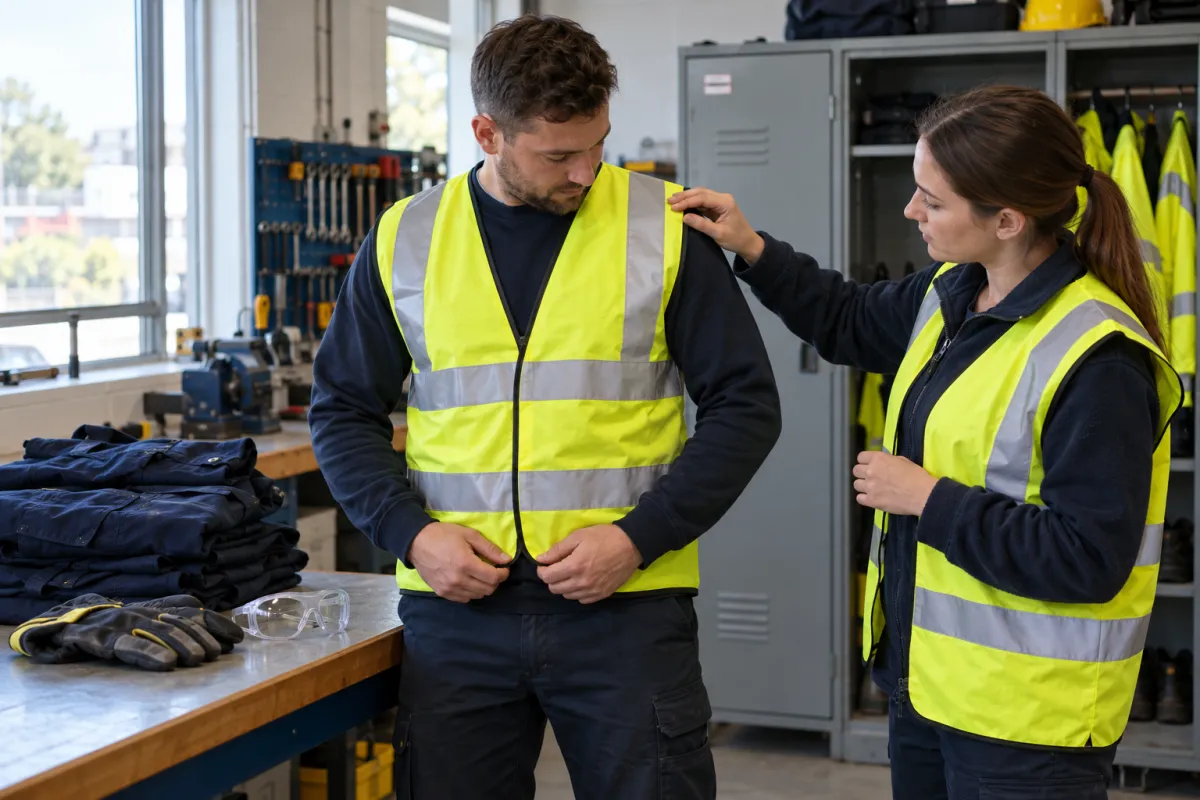
For quick, light cover, waistcoats and bodywarmers are a popular choice. They slip on easily over normal clothes, which makes them ideal for visitors, short jobs and warehouse staff who move in and out of vehicle areas. Bodywarmers add a little warmth without limiting your arm movement.
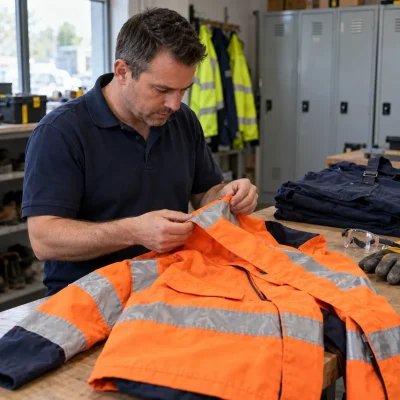
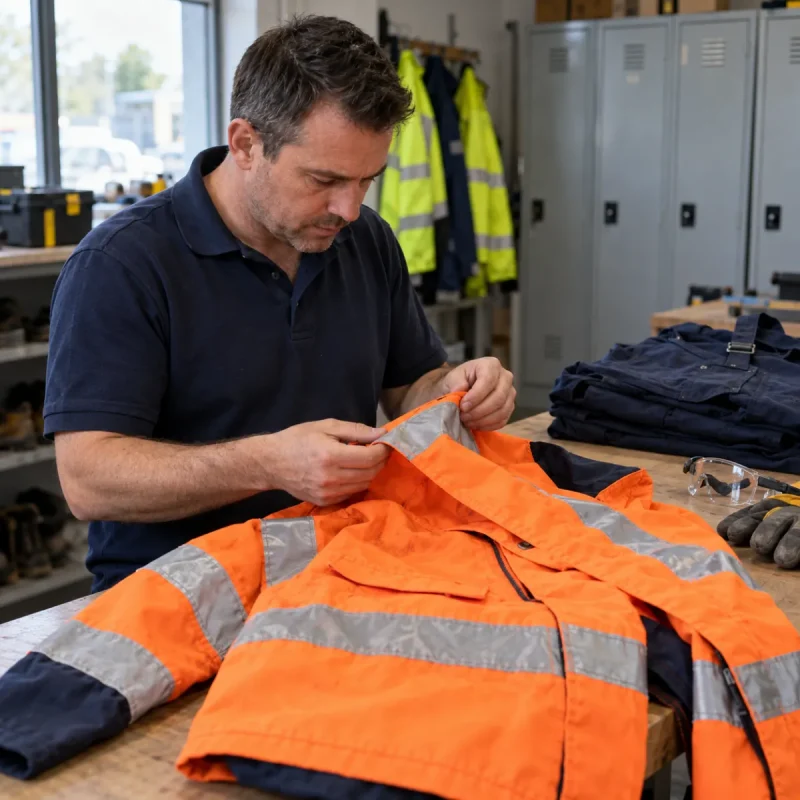
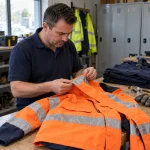
When the weather turns, you will want more coverage. Our range of hi-vis jackets gives you protection from wind and rain while keeping you easy to spot. Look for features such as a hood, secure pockets and a comfortable fit that leaves room for layers underneath.
Lower-body wear matters too. Trousers and shorts with reflective bands help drivers see the full outline of a person, not just the top half. Tough fabric and good pocket space make these a smart pick for anyone who spends the day on their feet.
For warmer days and indoor work, lighter tops are far more comfortable. Polo shirts and T-shirts in bright colours keep you visible without making you overheat. They also suit teams who need to look smart for customers while staying safe.
Cold mornings call for extra layers. Fleeces, sweatshirts and jumpers are great under a jacket, or on their own when the garment has the right colour and reflective trim. Always check the label to see which visibility standard the piece meets, as this tells you whether it is suitable for your working environment.
Getting more from your hi vis clothing & PPE
Buying the right items is only half the job. A few simple habits help your kit last longer and keep working properly.
Start with fit. Garments that are too tight restrict movement, while loose ones can snag on equipment. Encourage staff to try items on over the clothes they normally wear, and to check that the reflective strips sit in the right places.
Next, think about messy work. If your team handles oil, paint or wet materials, overalls, bibs and aprons add a protective layer while keeping the main garment cleaner. That means fewer washes and longer-lasting reflective strips.
Do not forget the smaller extras. Items from our PPE accessories range can round out your kit, helping your team stay comfortable and prepared from the first hour to the last.
Finally, look after what you buy. Follow the washing instructions on the label, as high temperatures and harsh products can dull bright colours and wear down reflective tape. Check garments regularly. If the fabric is faded, torn or the reflective bands are peeling, it is time for a replacement. A garment that no longer stands out is not doing its job.
A simple checklist can help your managers keep on top of things:
- Check each garment is clean, bright and undamaged before a shift.
- Keep spare items in stock for new starters and visitors.
- Replace anything with faded colour or worn reflective strips.
- Store kit somewhere dry, away from direct heat.
FAQs
Do I need to wear hi vis all year round?
It depends on your work and your risk assessment. Many sites ask for it at all times, because vehicles and machinery are present whatever the season. Dark winter mornings and evenings make it even more useful, but bright clothing helps in daylight too.
How often should I replace hi-vis garments?
There is no single answer, as it depends on how often the item is worn and washed. As a rule, replace it when the colour has faded, the fabric is damaged, or the reflective strips are cracked, dirty or peeling.
Can I wear hi vis over other clothing?
Yes, and many people do. Waistcoats and jackets are made to go over normal clothes. Just make sure the reflective bands are not covered by bags, straps or other layers.
Is hi vis the same as PPE?
Hi vis clothing counts as a type of PPE, because it protects you by making you easier to see. PPE is a wider term that also includes items such as gloves, helmets, ear protection and safety boots.
Keep Your Team Visible with Hi-Vis Workwear from A2B Office
Staying visible is one of the simplest ways to cut down on avoidable accidents. By matching your garments to the job, choosing the right layers for the weather and checking your kit regularly, you give your team a much better chance of getting home safely. From light waistcoats to warm jackets and sturdy trousers, the right choice is out there for every role.
Ready to equip your team? Browse the full range at A2B Office, or get in touch with our friendly sales team for help picking the right items. We are here to make safety simple.











 Google
  Facebook
  Trustindex
  Ebay
Ebay