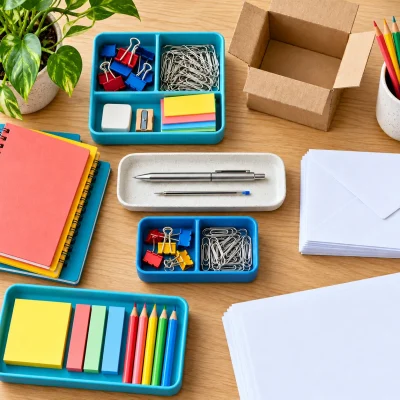
Running out of paper at the worst possible moment is one of those small office disasters that causes far more stress than it should. On the other hand, having cupboards stuffed with reams you will never use ties up money and space that could be put to better use elsewhere. Getting the balance right is easier than most people think, and in this article we will walk through practical ways to manage paper supplies properly, so your office always has what it needs without drowning in stock.
Why learning to manage paper supplies matters
Paper might seem like a small thing on the office shopping list, but it adds up quickly. Between printing, photocopying, packaging, and craft or display work, most workplaces get through more paper than they realise. When nobody keeps an eye on stock levels, two things tend to happen. Either you run out at a critical moment, or you end up with boxes of paper stacked in a corner for months on end. Neither is good for your budget or your workspace.
Getting organised with your paper and card stock means fewer panicked last-minute orders, less wasted spending, and a tidier stockroom. It also means whoever is in charge of ordering can plan ahead properly instead of guessing what might be needed next month.
How to manage paper supplies without overordering in practice
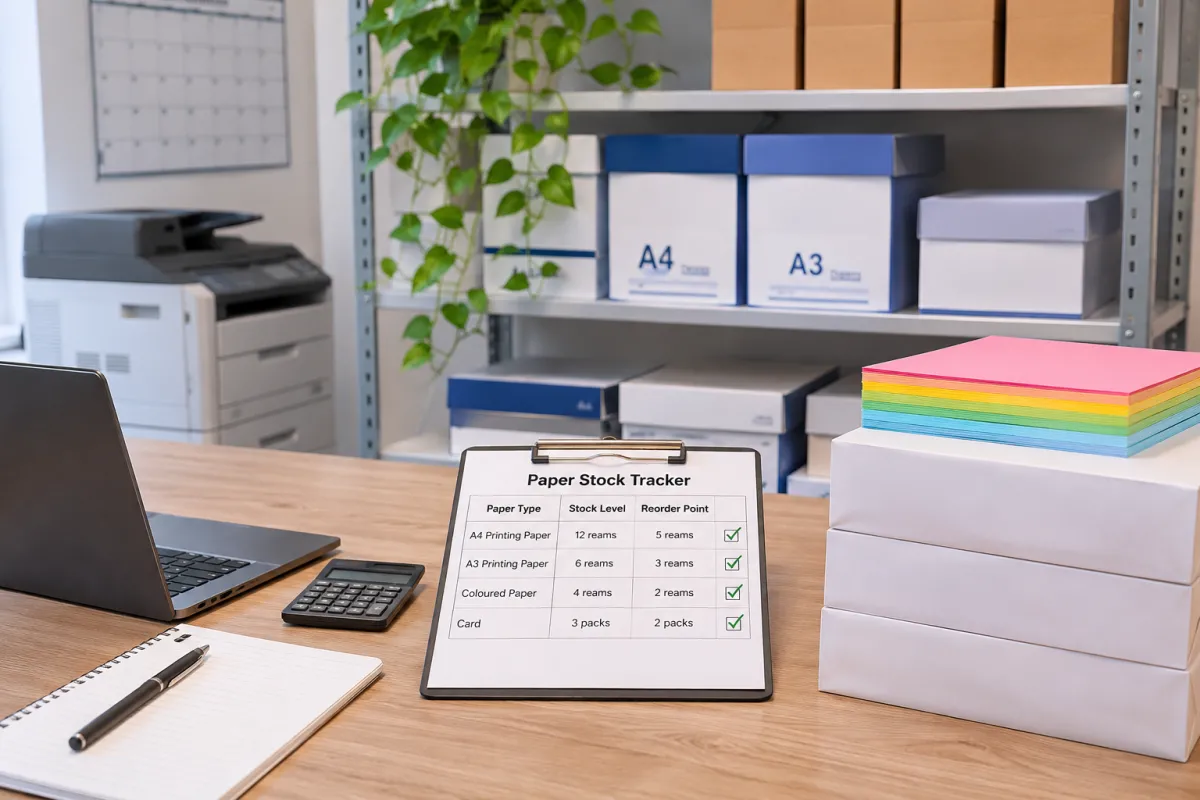
The simplest way to stop overordering is to actually track what you use. Sounds obvious, but many offices never do this. Start by working out roughly how many reams your team gets through in a typical month. Once you have that figure, you can set a sensible reorder point, meaning you top up stock before it runs low rather than after it has already run out.
Think about the different types of paper your office actually needs too. Standard printing tends to use plain paper in bulk, while other tasks might call for something more specific. If your team regularly produces certificates, posters, or presentation materials, it is worth keeping a small stock of specialist papers separate from your everyday supply, so you are not tempted to buy huge quantities you rarely touch.
Practical steps to manage paper supplies more effectively
Once you understand your usage patterns, the next step is putting a simple system in place. This does not need to be complicated. A shared spreadsheet, a whiteboard near the stock cupboard, or even a basic notebook can work well, as long as someone is responsible for updating it.
Here are a few steps that genuinely help:
Set a minimum stock level for each paper type you use regularly, and reorder as soon as you hit it. Review your usage every few months, since needs change with busy seasons, new projects, or staff changes. Keep specialist or occasional-use paper separate from everyday stock, so you can see clearly what needs topping up and what does not. Assign one person to manage ordering, so decisions are not made twice by different people, leading to duplicate stock.
If your workplace uses different paper for different jobs, such as posters, notices, or classroom displays, it is worth checking exactly what each task needs before buying in bulk. For example, some schools and community groups regularly use newsprint paper for artwork and temporary displays, while others prefer sugar paper for craft projects. Buying the right type in the right quantity, rather than one giant order of whatever seems cheapest, avoids waste and keeps your stockroom sensible.
Storage and stock rotation tips
How you store paper matters just as much as how much you buy. Paper that sits in a damp cupboard or gets crushed under other supplies can warp, curl, or become unusable, meaning you end up buying more than you needed in the first place. Keep paper flat, dry, and away from direct sunlight, and try to use older stock before newer deliveries, much like rotating food in a kitchen cupboard.
Labelling shelves clearly by paper type and size also helps everyone in the office find what they need quickly, rather than opening five different boxes to check. This might sound like a small detail, but it genuinely cuts down on wasted time and accidental duplicate orders.
Linking paper management to wider office supplies habits
Paper rarely exists in isolation. It is usually part of a wider pattern of how your office buys and manages its office supplies. If your general ordering process is disorganised, paper stock is likely to suffer the same fate as everything else, either piling up unused or running short at the worst time.
Taking a step back and looking at how your office handles stationery ordering as a whole can help you spot patterns. We have written before about the ongoing struggle many workplaces face with stationery ordering, and many of the same lessons apply directly to paper. Clear responsibility, regular reviews, and realistic stock levels solve most of the problems before they start.
It is also worth considering how paper use connects to the rest of your working environment. A well-organised stock cupboard is a small part of a bigger picture, and we explored this connection in our piece on how office supplies affect productive workplaces. When staff are not searching for missing paper or waiting on delayed deliveries, they simply get more done.
Making the most of specialist paper without overbuying
Specialist paper types are a common cause of overordering because they often come in large packs, and teams buy far more than they need just in case. If your office regularly laminates documents, for example, it helps to plan exactly how many sheets you need for a project before ordering. Our guide on effective tips for lamination covers this in more detail, including how to avoid wasting pouches and sheets on jobs that do not need them.
The same thinking applies to any occasional-use paper stock. Buy for the project in front of you, not for a hypothetical future need that may never actually happen. If you do find yourself with genuine ongoing demand for a specialist type, then a larger order makes sense, but this should be based on real evidence from your usage records rather than guesswork.
FAQs
How often should we review our paper stock levels?
Most offices find that checking stock every month or two works well, with a more detailed review every quarter. This gives you enough data to spot real patterns without wasting time on daily checks.
What is the biggest cause of overordering paper?
Buying without checking existing stock first is the most common cause. This often happens when more than one person is responsible for ordering, or when nobody keeps a record of what is already in the cupboard.
Should we buy paper in bulk to save money?
Bulk buying can save money, but only if you are confident you will use the stock within a reasonable time. Paper that sits unused for months can become damaged or simply take up space you need for other supplies, so balance any savings against your actual usage rate.
How can we reduce paper waste as well as overordering?
Encourage double-sided printing where possible, keep offcuts for notes or scrap use, and make sure staff know where different paper types are stored, so they use the right stock for the right job instead of reaching for whatever is nearest.
Getting your paper stock under control does not need a complicated system or hours of extra admin. A little tracking, sensible storage, and clear responsibility for ordering will keep your office supplied without the waste or the panic.
Whenever you are ready to sort out your stock properly, you can browse everything you need on the A2B Office Supplies website and start building a paper ordering routine that actually works for your team.














 Google
 Facebook
 Trustindex
 Ebay