Understanding Envelopes in Everyday Communication
Envelopes have stayed relevant even as digital messages fill our inboxes. We still depend on them for business letters, legal papers, invoices, greetings, and private documents. At A2B Office Supplies, we see how envelopes support daily office tasks and keep communication organised and professional.
We use envelopes to protect contents, present documents neatly, and deliver messages safely. Whether we are sending contracts or birthday cards, the right envelope makes a difference. A poorly chosen one can damage contents or give the wrong impression, while a well chosen option adds trust and clarity.
In modern workplaces, envelopes do more than carry paper. They help structure mail systems, support branding, and improve mailing processes. From internal communication to large scale mail campaigns, envelopes remain a quiet but steady part of office life.
Types and Sizes of Envelopes for Different Needs
Choosing the right size is the first step. Common envelope sizes include DL, C5, and C4. Each suits a specific paper format, which saves time and keeps documents neat.
DL envelopes fit folded A4 sheets, often used for letters and invoices. C5 envelopes hold A5 sheets or A4 folded once, ideal for documents that should look presentable but not bulky. C4 envelopes fit A4 pages without folding, making them perfect for contracts or reports that need to stay flat.
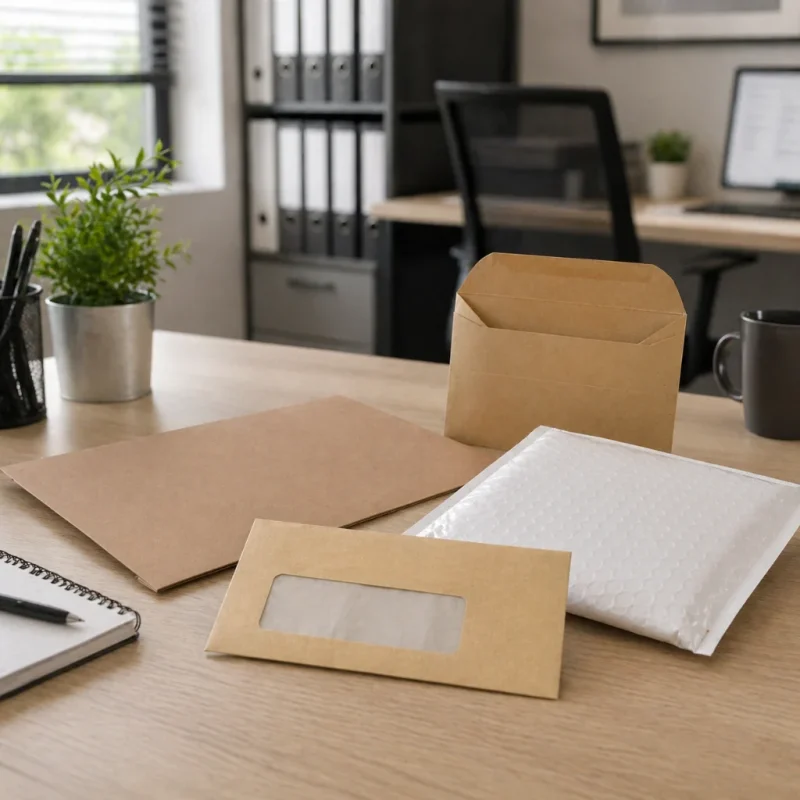
There are also many types of envelopes designed for particular uses. Business envelopes offer a clean, professional look for everyday office communication. Window envelopes allow printed addresses to show through, which reduces the need for manual labelling and speeds up bulk mailing.
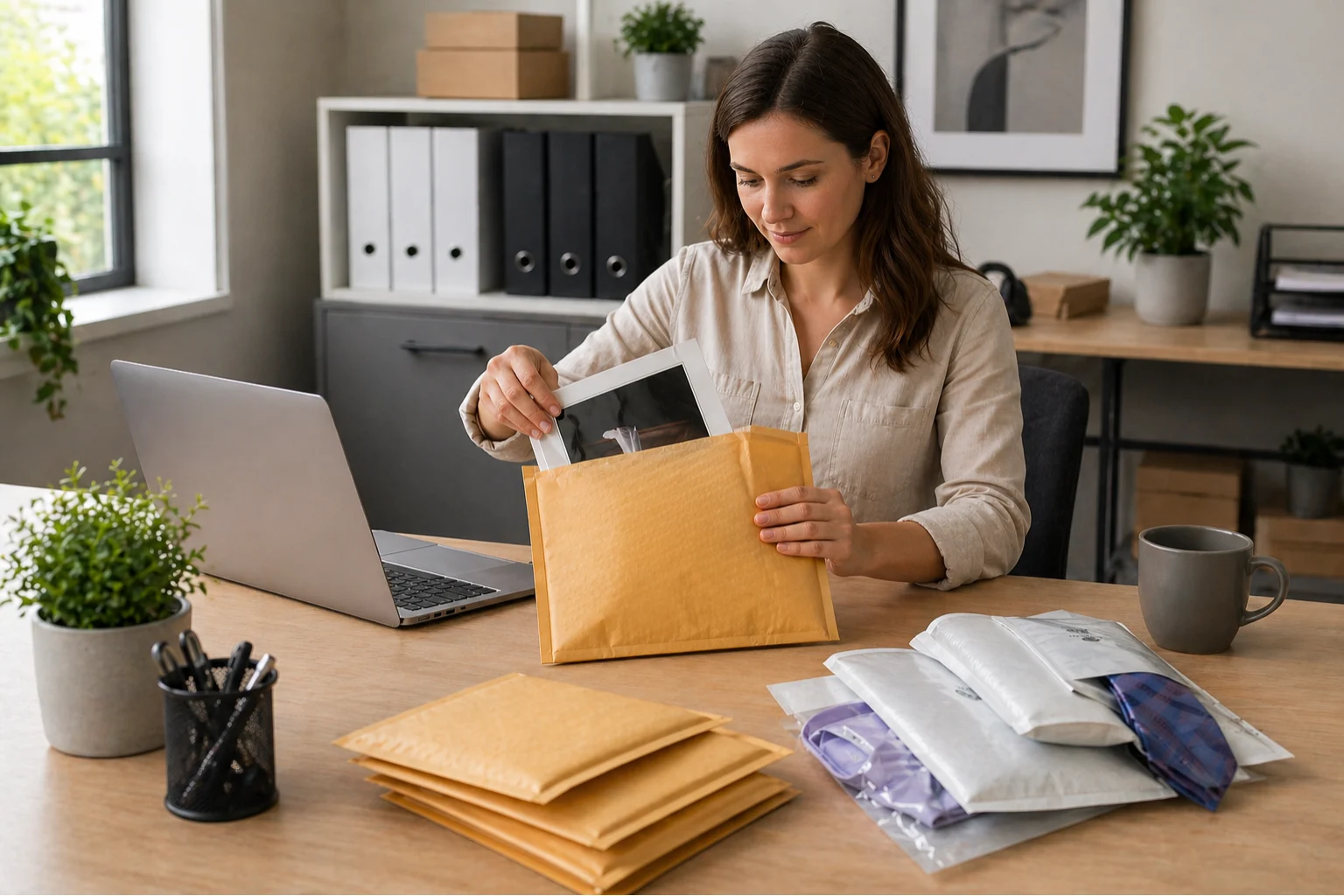
For items that require extra protection, padded options or sturdy board-backed envelopes help prevent bending. These are especially useful when sending certificates or photographs.
For internal office communication, internal envelopes are a practical choice. They often come with multiple address lines, making it easy to reuse them across departments.
Businesses that send large volumes of mail can benefit from machine envelopes. These are designed for automated systems, helping speed up operations and reduce manual handling.
Security is another key factor. When sending sensitive information, high-security envelopes provide a protective layer with tamper-evident features.
Material and Quality Choices in Stationery and Envelopes
The material of an envelope affects both its appearance and durability. Standard paper envelopes work well for everyday use, such as general correspondence or billing. They are light, cost-effective, and easy to store in bulk.
For heavier or more valuable items, stronger materials like Manila provide added strength. These envelopes resist tearing and protect contents during transit. In sectors like legal or finance, choosing a thicker material often helps maintain document condition.
Quality also influences how the envelope feels in the hand. A thin or poorly made envelope can weaken trust, especially in business settings. A well made option gives a better impression and reduces the chance of damage.
Security features also come into play. Some envelopes include tinted interiors to prevent contents from being read through the paper. Others have strong adhesive seals to ensure contents stay protected.
In the wider world of stationery, envelopes form a key part of how organisations present themselves. Matching envelope quality with letterheads, documents, and packaging ensures a consistent and professional look.
Environmental Impact of Envelopes
As more organisations look at reducing waste, envelopes have become part of that conversation. Many are now made with recycled paper, helping cut down on resource use.
Choosing recyclable envelopes or those made from sustainable sources can reduce environmental impact without sacrificing quality. We can also encourage reuse in office settings, especially with internal mail systems.
Simple actions make a difference. Selecting the right size avoids wasted materials. Using window envelopes can reduce the need for additional paper labels. Recycling used envelopes keeps waste from the landfill.
A2B Office Supplies offers options that support more responsible choices, helping businesses balance practicality with environmental care.
Customising Envelopes for Branding and Identity
Envelopes are often the first thing a recipient sees. This makes them a useful tool for branding. Adding logos, colours, or company details turns a simple envelope into part of a company’s identity.
Custom printed envelopes help businesses stand out. They offer a chance to reinforce brand recognition with every letter sent. Even small design touches can make communication feel more thoughtful and consistent.
Customisation also helps build trust. A clearly branded envelope looks more official and reduces the chance of being ignored or mistaken for unwanted mail.
Industries such as real estate, finance, and legal services often rely on personalised envelopes to maintain a professional image. Retailers may also use them for packaging smaller items or vouchers, sometimes pairing them with items like gift bags for a complete presentation.
Real World Uses Across Industries
Different industries rely on specific types of envelopes to meet their needs. In legal offices, C4 envelopes with strong materials ensure contracts remain flat and undamaged. In healthcare, secure envelopes help protect confidential patient records.
Estate agents often use branded envelopes to send property details, while schools rely on simple, durable envelopes for communication with parents.
Retail businesses use padded or board-backed styles to send small goods safely. Offices with high mail volume often use machine-compatible envelopes to keep workflows smooth.
Technology has also improved envelope production. Adhesive seals are now more reliable, materials are stronger, and print quality is sharper. These small improvements help businesses send mail with less worry about damage or delays.
Envelopes and Stationery in Modern Offices
Even with digital tools everywhere, physical stationery still has its place. Envelopes remain a key part of how offices organise and send information.
They help separate documents, protect important papers, and support internal systems. Combined with other stationery items, envelopes make everyday office tasks easier to manage.
They also add a human touch. Receiving a physical letter can feel more personal than an email, especially in customer communication or formal situations.
Businesses that pay attention to their stationery choices often create a stronger impression. Clean, well-chosen envelopes suggest care and attention to detail, which reflects on the organisation itself.
Envelopes continue to support communication in both simple and complex ways. From choosing the right size and material to thinking about branding and environmental impact, each decision shapes how messages are delivered and received.
At A2B Office Supplies, we see envelopes as more than basic stationery. They help organise work, protect information, and support a professional image every day.
If you are reviewing your office supplies, take a closer look at the envelopes you use. The right choices can improve presentation, protect content, and support smoother operations. Explore options that match your needs and keep your communication clear and reliable.












 Google
  Facebook
  Trustindex
  Ebay
Ebay