Why First Aid Training Matters More Than Ever
Emergencies can happen anywhere, whether at home, at work, or in public places. When they do, the speed and confidence of the first person to respond can mean the difference between life and death. That’s where first aid training becomes incredibly important. Basic lifesaving techniques are easy to learn but can make a huge impact when used correctly in urgent situations.
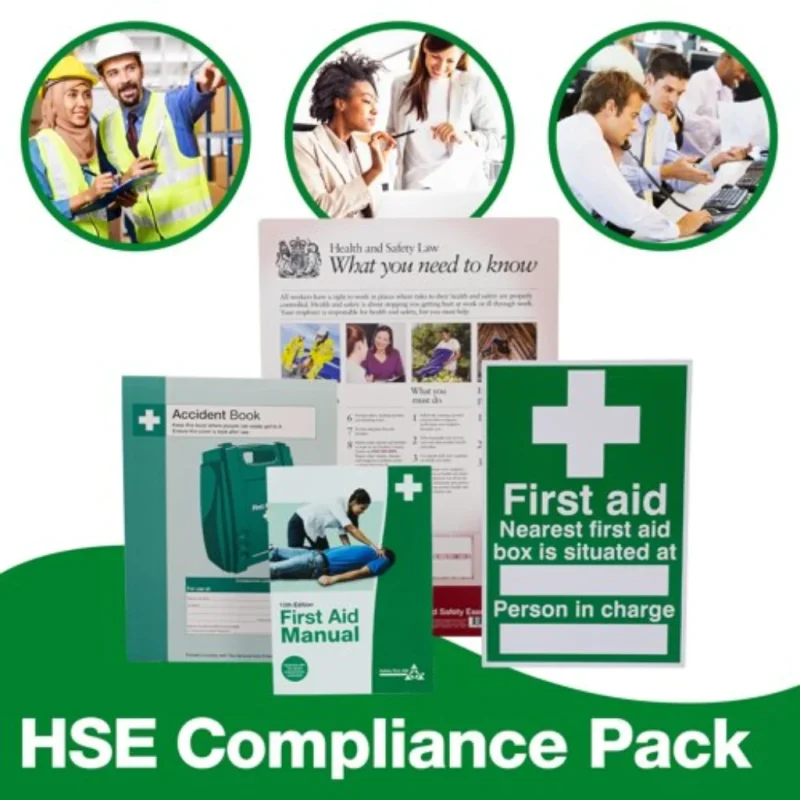
Think about your workplace or home. Do you know where the nearest first aid kit is? Have you checked if supplies are still in date? A fully equipped first aid room or bag is only useful if someone nearby knows how to use those items quickly and calmly. Building a bit of knowledge now means you can act fast with clarity when every second counts.
With the right know-how, even complete beginners can support emergency situations until the professionals arrive. And the good news is, training is more accessible than ever, whether online, in-person, or through free resources and guides.
CPR and First Aid Training: Core Life-Saving Skills Everyone Can Learn
Let’s start with what CPR does. CPR (cardiopulmonary resuscitation) is a technique that restores oxygen to the brain and other vital organs when someone’s heart has stopped pumping. This can happen during cardiac arrest, drowning, or electric shock. It might sound complex, but with a step-by-step method,
It’s surprisingly straightforward:
- Check that the scene is safe.
- Tap the person and shout to check for responsiveness.
- Call emergency services.
- Begin chest compressions: press firmly in the centre of the chest at a rate of 100-120 beats per minute.
- Give rescue breaths if trained and comfortable.
CPR certification courses are a great way to practise this on mannequins, where you’ll get feedback on your technique. Repeating these actions in short practice sessions helps your body remember what to do so you don’t freeze up in pressure moments.
Our first aid training should also cover other basics. These include treating cuts, minor burns, choking, falls, and signs of shock. It’s not just learning what to do, it’s about knowing what order to do it in and how to use the tools in a nearby first aid room or emergency kit.
CPR Certification: How to Get Hands-On Experience
While online videos and written guides are great, nothing builds confidence like real practice. CPR certification programmes usually take just a few hours and can be life-changing.
You’ll learn:
- How to check for breathing and pulse
- The correct position for chest compressions
- How to use an automated external defibrillator (AED)
- How to give effective rescue breaths
- What signs to look for in cardiac arrest or respiratory failure
Certification isn’t only for healthcare professionals. Many workplaces and schools run regular sessions, including basic baby and child CPR, using training mannequins and AED demos. We always recommend checking that yours is up to date or booking a refresher session every couple of years.
These courses also explore first aid subjects like:
- Safe ways to move an injured person
- What to do for burns, chemicals, or hot equipment contact
- How to stop bleeding with sterile bandages and pressure
- Recognising signs of a stroke or heart attack
Creating muscle memory is a big part of training. Just like riding a bike, once your body knows what to do, you’re more likely to step in during high-stress emergencies, even if your mind is scared or shocked.
A Closer Look at Your First Aid Room: What’s Inside Counts
Your first aid room or station needs more than a few plasters. Whether in a factory, office, or school, it should contain items suitable for everything from grazes to life-threatening injuries. Stock it with care and knowledge.
Here’s what you’ll often find as basics:
- Antiseptic wipes and sprays
- Sterile dressings and gauze rolls
- Adhesive bandages in various sizes
- Instant cold packs
- Burn gel and hydrogel dressings
- Gloves, face shields, and eyewash
- AED (automated external defibrillators)
To make sure your first response goes smoothly, position your gear where it can be reached fast and without barriers. Also, think about your furniture. A chair like the Aidapt Malling Perching Stool can be a big help for a patient who needs to remain upright but not standing.
A full-size Wallace Cameron First Aid Bag is perfect for staff on the move or teams that manage events, as it brings the first aid room to wherever it’s needed.
First Aid Training in Everyday Life: Where and When It Helps Most
Let’s look at a few everyday examples of how your training could make a difference.
Imagine you’re in an office kitchen. A coworker accidentally cuts their finger deeply with a knife. While someone dials for help, you apply direct pressure using sterile gauze from your kit, reducing blood loss. Within minutes, the bleeding slows, and paramedics arrive. That early action saved valuable minutes.
Or maybe a child starts choking on food at a family party. Your first aid training kicks i,n and you perform the Heimlich manoeuvre. Within seconds, the obstruction clears, and the child is breathing again.
In colder workplaces or warehouses, you might observe signs of shock or hypothermia. Quick use of gear like the Aidapt Folding Walking Frame helps keep someone upright without injury. Something as simple as having a multi-use stable surface like the Aidapt Canterbury Table available could help when wrapping an injured limb or supporting someone during treatment.
When you pair this training with a well-maintained resource like your first aid kits, everyone nearby benefits.
Building a Culture of Safety Through First Aid
One trained person is helpful. A group of trained people builds a safer, more prepared environment. Companies that take this seriously often do quick lunch-hour sessions, roleplay exercises, or online mini-courses to keep everyone sharp.

It only takes seconds for an incident to occur. Less than six minutes on average is how long it takes for serious consequences to arise from untreated cardiac arrest, heavy bleeding, or obstructed airways. With multiple colleagues knowing what to do, everyone has better chances.
Sharing your first aid training skills shows leadership, and encouraging others to join creates a chain of support that’s much stronger than any one person acting alone.
How to Keep Your Knowledge Fresh
Even once trained, it’s easy to forget. Set reminders to:
- Review your CPR steps every couple of months
- Watch an updated video on how to use a defibrillator
- Check that your first aid room or kit items are in date
- Replace used supplies or expired products quickly
- Practise as a team to make sure systems work in real situations
Adding a quick drill or discussion during monthly safety meetings can make a big difference. Keep paper checklists near kits or in digital folders, so others know where things are.
FAQs
Are there age limits for learning CPR or first aid?
No. Even children can learn the basics. Tailored courses for young learners use age-appropriate mannequins and focus on getting help, staying calm, and recognising emergencies.
Do I need CPR certification to perform lifesaving actions?
No. During an emergency, offering help is better than doing nothing. That said, CPR certification gives you training that can reduce mistakes and save more lives.
How often should first aid training be renewed?
Every one to three years, depending on your employer or setting. Even if you’ve been trained before, short refresher courses help you react with confidence.
What’s the difference between a first aid kit and a first aid room?
A first aid kit is portable. A first aid room is a designated space with a wide range of care items, sometimes including a couch or cot for monitoring, eyewash stations, and emergency stools.
Ready to Learn? Here’s What to Do Next
By learning first aid and CPR basics, you become the calm in someone else’s crisis. You can be the reason help arrives faster, bleeding stops sooner, or someone keeps breathing until medical support takes over. Equip your space, practise your skills, and check your first aid kits and tools regularly.
At A2B Office Supplies, we believe every office or workplace should have a first aid room prepared for the unexpected. With well-stocked kits and simple training, anyone can step up when it matters most.
Start today. Book a short course, review your emergency supplies, and encourage a culture of safety where everyone knows what to do. Safety isn’t something to panic about; it’s something we prepare for, together.