Small teams and busy offices often reach a point where the old desks, tired chairs and cluttered storage just do not work as hard as the people using them. That is where smart office upgrades come into play, and bench desking sits right at the top of the list for businesses that want more space, more comfort and more sense from every square metre they pay rent on. In this piece, we walk through why bench desking works so well, how it fits alongside other sensible office upgrades, and where to look for the supplies and support that keep a workspace running smoothly.
Why office upgrades matter for growing teams
When a business grows, the office often stays the same size while the number of people, desks and paperwork keeps climbing. That squeeze causes real problems: people trip over cables, desks get covered in loose paper, and meeting space becomes impossible to find. Thinking carefully about office upgrades early on saves a huge amount of stress later. It is far easier to plan a layout with room to grow than to squeeze extra desks into a space that was never designed for them.
A good starting point is looking at how your team actually works day to day. Do people need quiet space for calls, or do they spend most of their time collaborating on shared projects? Answering that question shapes almost every other decision, from desk shape to storage choice. We often point clients towards the A2B Office Supplies blog for ideas, since it covers everything from furniture to stationery in a way that is easy to follow, even if you are not an expert in office design.
What bench desking actually offers
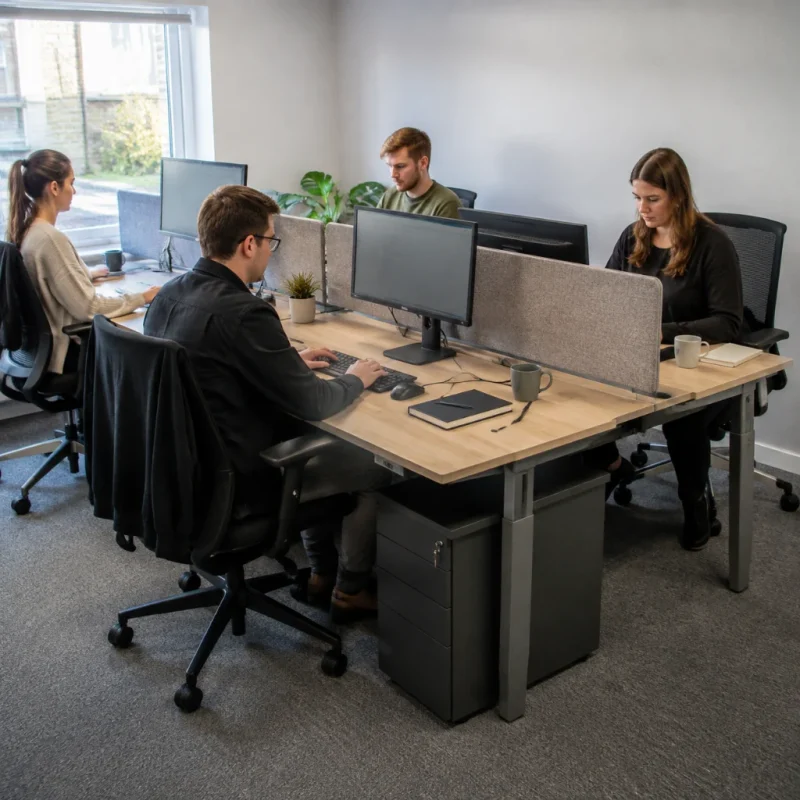
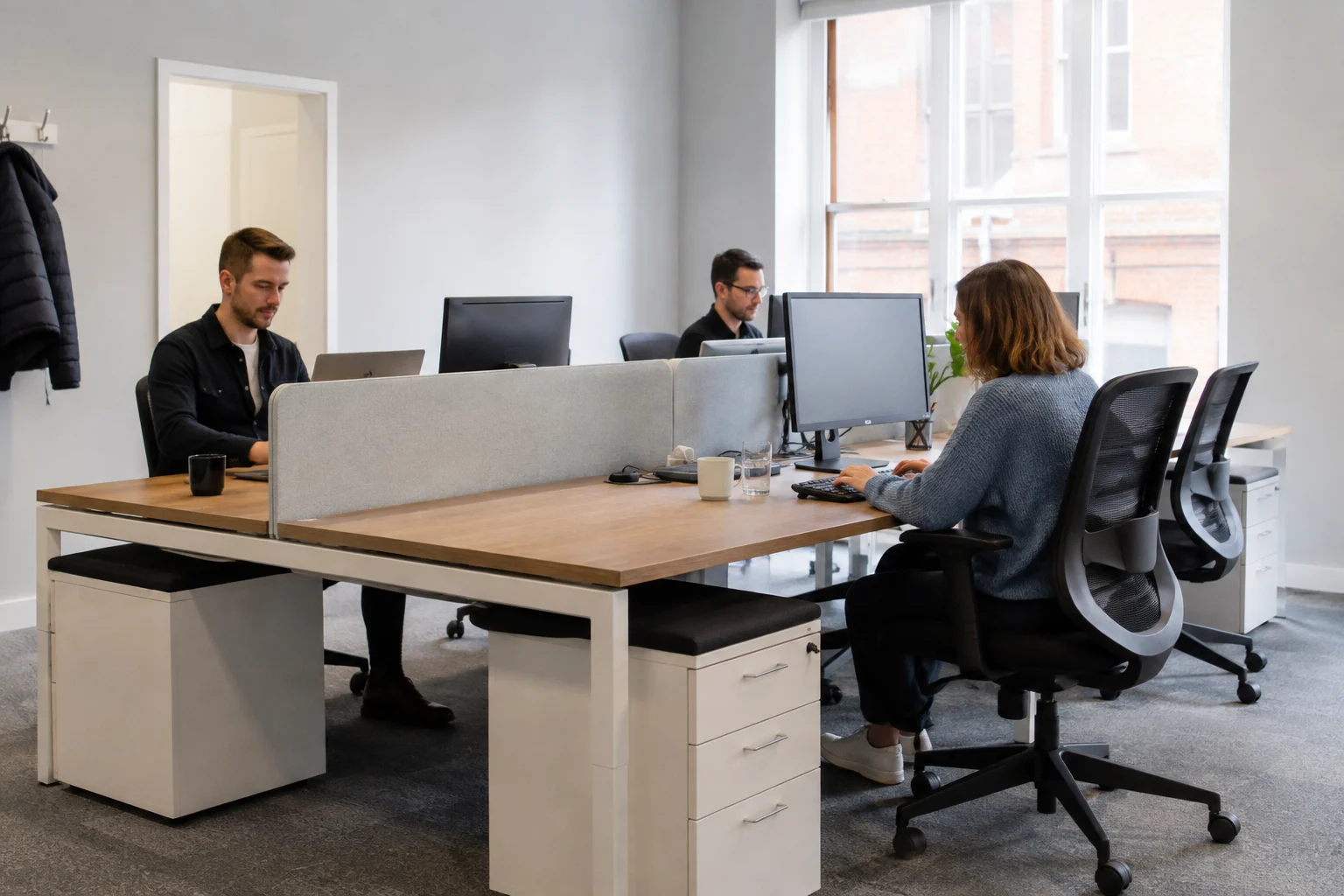
Bench desking is a style of desk setup where several work surfaces are joined together on a shared frame, rather than each person having a separate, freestanding desk. Picture a long table split into individual work zones, each with enough room for a monitor, keyboard and a bit of paperwork. It sounds simple, but the impact on an office can be huge.
First, bench desking saves space. Because the desks share a frame and often share cable trays underneath, you avoid the wasted gaps you get between separate desks. This means more people can work comfortably in the same floor area, which matters a great deal for small businesses paying for every square metre of rented office space.
Second, it tidies up cables. Anyone who has worked in an office with wires trailing across the floor knows how messy and even dangerous that can be. Bench desking systems usually include built-in cable management, so wires run neatly underneath rather than becoming a trip hazard.
Third, it supports teamwork. Sitting near colleagues on a shared bench naturally encourages quick chats, faster problem-solving, and a stronger sense of being part of a team. For busy teams juggling several projects at once, that easy communication can make a genuine difference to how quickly work gets done.
Practical office upgrades beyond the desk
Bench desking is a brilliant place to begin, but a well-run office needs more than good desks. Storage, stationery and everyday supplies all play a part in keeping a workspace calm and organised rather than chaotic.
Paper is a good example. Every office gets through paper for printing, note-taking and filing, and running out at the wrong moment causes needless frustration. Keeping a steady stock from a reliable range of paper and card means you are never caught short before an important meeting or client visit. For everyday printing and general office use, a solid supply of plain paper covers most needs without any fuss.
Some businesses also need something a bit different for reports, presentations or marketing materials. That is where a wider range of specialist papers comes in handy, giving a sharper finish for documents that need to make a strong impression on clients or investors. Getting these small details right might seem minor, but they add up to a workplace that runs smoothly and looks professional.
Getting the most from bench desking layouts
Once bench desking is in place, thinking about layout properly makes a real difference. Grouping desks by team or project means people who need to talk regularly sit close together, cutting down on wasted time walking across the office or sending messages that could be a quick chat instead.
It also helps to leave a little breathing room around each bench. Cramming desks too tightly together can make a room feel stressful, even if the desks themselves are well designed. A gap for walking between rows, and a bit of space near windows or natural light, keeps the office feeling comfortable rather than crowded.
Storage matters here too. Rather than piling folders and stationery on top of the bench, it is worth setting up nearby drawer units or shelving so desks stay clear for actual work. A cluttered desk slows people down and makes it harder to focus, so keeping surfaces tidy is one of the simplest office upgrades any small business can make.
Stationery and supplies that support smarter office upgrades
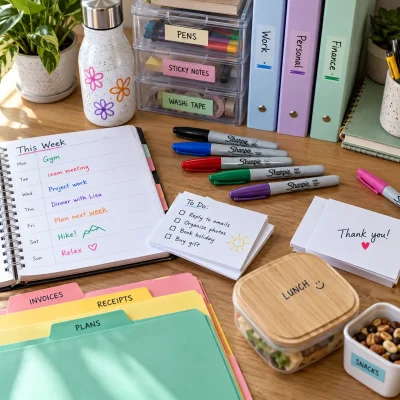
Furniture gets a lot of attention when people think about office upgrades, but stationery and everyday supplies deserve just as much thought. Running out of pens, staples or printer paper at the wrong moment can grind work to a halt, and constantly sending someone out to buy last-minute items wastes both time and money.
Many businesses do not realise how much they are actually spending on these small items until they look closely. Our piece on what you don’t know about office stationery could be costing more than you think explains how easy it is for costs to creep up when supplies are bought in a scattered, last-minute way rather than planned properly. Setting up a proper ordering routine, rather than buying items whenever someone notices the cupboard is empty, tends to save money over the course of a year.
There is also the question of where you actually buy your supplies. Larger stores can seem convenient, but they are not always the best fit for a smaller business with specific needs. Our article on what we know about office supply superstores looks at some of the trade-offs involved, while this piece on the office supply business shares a few facts that are not always obvious at first glance. Reading around the topic before settling on a supplier is a sensible step for any business wanting to keep costs under control.
Equipment that pairs well with bench desking
Desks alone do not make an office function. The right equipment around those desks makes just as much difference, whether that is printers, monitor arms, filing cabinets or even simple things like desk lamps and phone chargers. Choosing equipment that suits a bench desking layout, rather than fighting against it, keeps everything looking neat and working properly.
Our guide to office equipment across the UK is a useful starting point if you are trying to work out what your team genuinely needs versus what might just be nice to have. It is easy to overspend on equipment that looks impressive but rarely gets used, so it pays to think carefully about daily habits before placing a big order.
Buying stationery itself can also turn into more of a battle than people expect, particularly in larger teams where different departments want different things. Our article on the battle over buying office stationery and how to win it covers some sensible ways to keep everyone happy while still sticking to a budget. Setting clear rules early on, such as who can order what and how often, tends to prevent arguments and unnecessary spending later.
FAQs
What is bench desking and why is it popular with small businesses
Bench desking is a shared desk system where several work surfaces sit on one frame, rather than each person having a separate desk. It suits small businesses because it saves floor space, keeps cables tidy and encourages people to work closely together, which is especially useful in busy, fast-moving teams.
How do we choose the right size bench desking for our office
Start by measuring your available floor space and working out how many people need a permanent desk. It helps to leave enough room for walkways and storage, rather than filling every inch with desks. Many suppliers offer bench desking in different lengths and configurations, so it is worth checking measurements carefully before ordering.
Are office upgrades like bench desking expensive for a small business
Costs vary depending on the size of your office and the quality of furniture you choose, but bench desking is often more affordable than buying the same number of separate desks. Because it uses space efficiently, it can also reduce the need for a larger office, which helps balance out the initial cost.
What other office upgrades should we consider alongside new desks
Storage, lighting and reliable stationery supplies all matter just as much as the desks themselves. Keeping a steady stock of paper, pens and printer supplies, alongside sensible shelving and drawer units, keeps a workspace calm and helps everyone stay focused on their actual work rather than searching for missing items.
Ready to plan your next office upgrade
Bench desking, sensible storage and a steady supply of everyday stationery all work together to create an office that feels calm, organised and genuinely pleasant to work in. Small changes, planned properly, can make a noticeable difference to how a busy team gets through its day. If you would like to learn more about who we are and how we support businesses across the country, our about us page shares a bit more about our background and the way we work with customers of all sizes.
When you are ready to take the next step with your own office upgrades, get in touch with A2B Office Supplies and let us help you find bench desking and everyday supplies that genuinely suit the way your team works.













 Google
  Facebook
  Trustindex
  Ebay
Ebay