Every workplace can feel a bit more comfortable and a bit more organised with a few thoughtful changes. Whether you work from a shared office, a small team space, or a home desk, the way your surroundings are set up has a direct effect on how well you work each day. In this article, we will look at practical ways to build an efficient workplace, from furniture choices to layout tweaks, and share ideas that any team can put into practice without much fuss.
What makes an efficient workplace
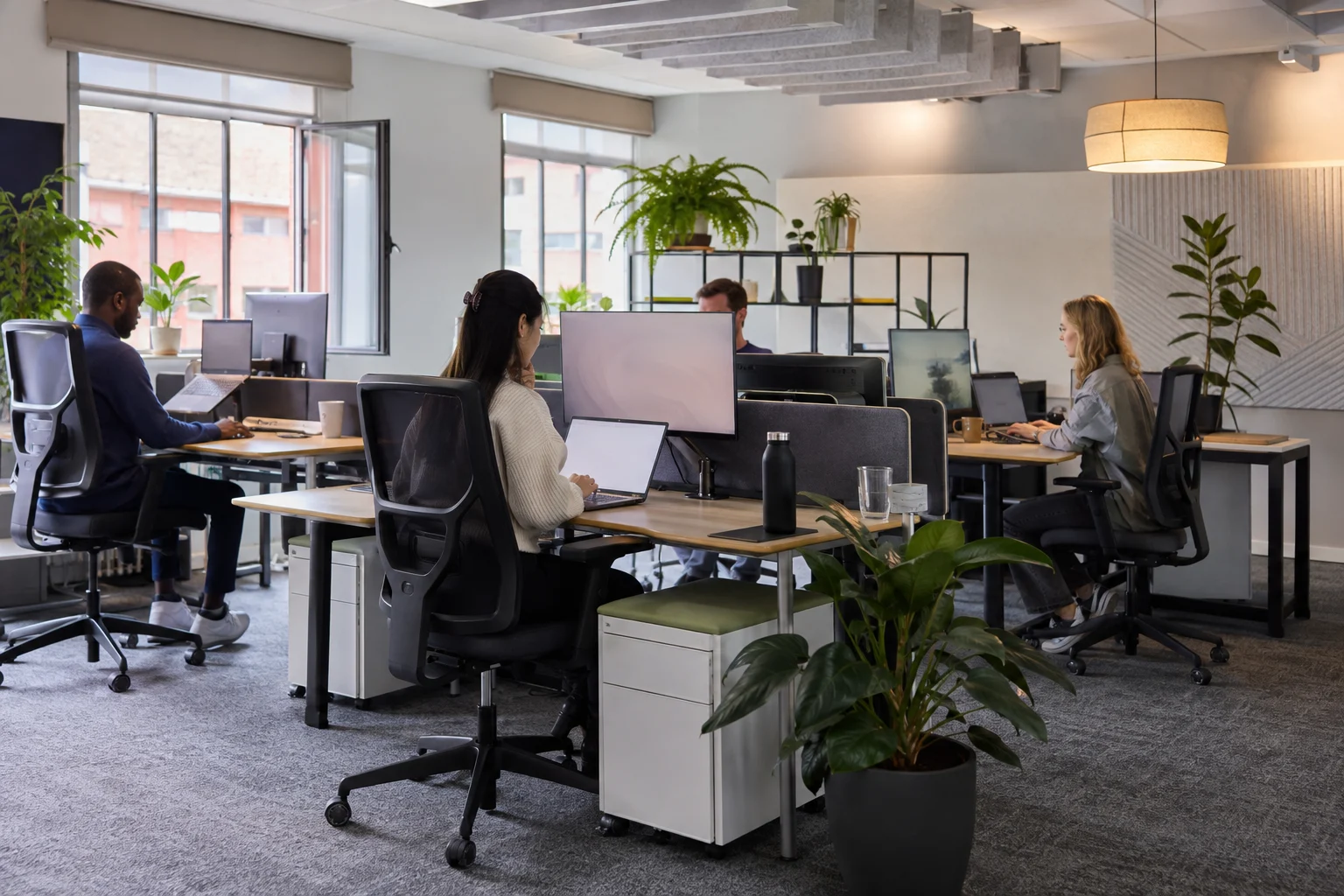
An efficient workplace is simply one where people can move around easily, find what they need without hunting for it, and sit or stand comfortably for hours without aches and pains. It sounds straightforward, but a surprising number of offices still have desks crammed too close together, chairs that do not support the back properly, and storage that is either missing or badly placed. When you get the basics right, people tend to focus better, feel less tired by the afternoon, and generally enjoy being at work more.
Getting this right does not need a huge budget or a full office refit. Small adjustments such as swapping out old chairs, rethinking where desks are placed, or adding a proper break area can make a noticeable difference. A2B Office Supplies has spent years helping businesses across the country fit out their spaces with furniture that actually works for the people using it, and we have seen firsthand how much of a difference the right setup makes to daily morale and output.
How to create a more efficient workplace with the right furniture
Furniture is one of the biggest factors in how a workplace feels day to day. A desk that wobbles, a chair with no lumbar support, or shelving that is always overflowing will slowly wear down anyone who has to deal with it. When thinking about how to create a more efficient workplace, furniture choices should be near the top of the list.
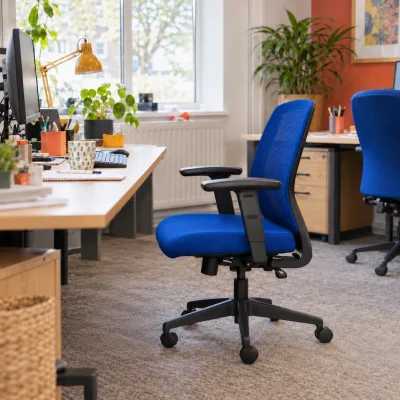
Good seating is probably the single most important item in any office. A chair that supports the lower back, adjusts to different heights, and allows a bit of movement can prevent the aches that come from sitting still for long stretches. Browsing a proper range of office seating options makes it easier to find something that suits different body types and working styles across a team.
Desks matter just as much. A desk that is too small will end up cluttered, and one that is the wrong height can cause shoulder and wrist strain. Looking through a selection of office desks designed for different room sizes and working styles helps teams pick something that fits both the space and the people using it. For shared spaces or meeting areas, a wider look at tables built for collaborative work can open up options beyond the standard desk setup.
Layout and space planning for a more efficient workplace
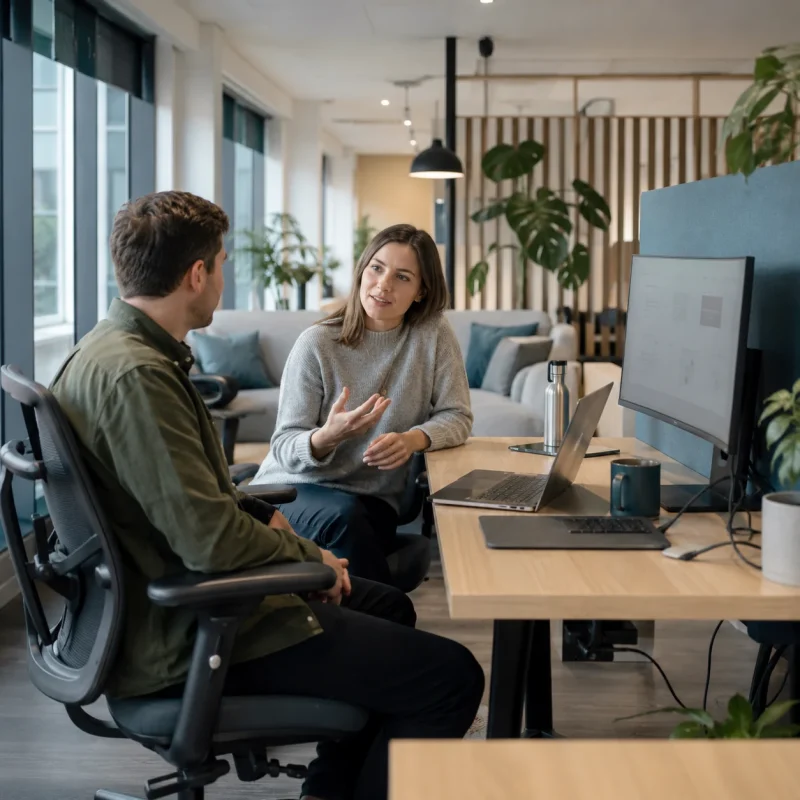
How furniture is arranged matters just as much as the furniture itself. A cramped layout makes people feel boxed in, while too much open space with no clear purpose can feel cold and disorganised. The goal is a layout that lets people move freely, gives quiet areas for focused work, and provides space for chatting or collaborating without disturbing others.
Start by thinking about how people actually move through the day. Where do they walk most often? Where do meetings happen? Is there a clear path to shared printers, filing cabinets, or the kitchen? Mapping this out before buying new furniture avoids the common mistake of ending up with a lovely new desk that blocks the walkway to the door.
Natural light also plays a bigger role than many people expect. Desks placed near windows tend to boost mood and reduce eye strain compared with those tucked away under harsh overhead lighting all day. If a full rearrangement is not possible, even small tweaks such as turning a desk to face a window or adding a desk lamp with a warmer light can help.
Storage is another piece of the puzzle that gets overlooked. Papers piling up on desks, cables trailing across the floor, and boxes stacked in corners all add visual clutter that makes a space feel chaotic. A proper storage plan, paired with a good range of furniture designed for organising documents and equipment, keeps things tidy and makes it much easier to find what is needed quickly.
Break areas and canteen spaces
A workplace is not just about desks and meeting rooms. The spaces where people eat lunch, grab a coffee, or step away from their screens matter for comfort and for keeping energy levels up through the day. A well-thought-out canteen or break area gives staff somewhere proper to relax, rather than eating lunch hunched over a keyboard.
Choosing sturdy, easy-to-clean options from a range of canteen tables helps create a space that feels separate from the working area, which in turn makes the break itself feel more like an actual pause rather than just a change of scenery. Comfortable seating, good lighting, and a bit of colour or greenery in these spaces can turn a plain lunchroom into somewhere people genuinely want to spend their break.
Supplies, equipment and everyday tools
Beyond furniture, the smaller tools and supplies scattered around an office play a bigger part in daily comfort than most people realise. Running out of basics, dealing with a printer that constantly jams, or hunting for a stapler that has gone missing all add tiny bits of friction to the day. On their own, these seem minor, but added up across weeks and months, they chip away at how smoothly a workplace runs.
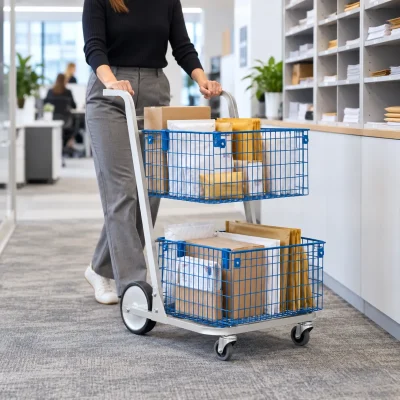
A useful guide on office equipment across the UK covers the sort of everyday items worth keeping well stocked, from stationery basics to larger pieces of shared equipment. Keeping a simple checklist of what needs restocking each month avoids the last-minute scramble that happens when supplies run dry mid-task.
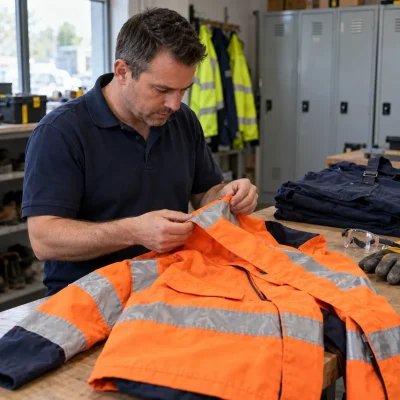
There is also a strong link between having the right supplies on hand and how well a team actually performs. A piece looking at office supplies and productive workplaces explains how something as simple as having enough printer paper, working pens, and organised filing can shape how smoothly a working day unfolds. It is easy to underestimate how much small frustrations add up, but solving them tends to be cheap and quick compared with the cost of lost time.
Home working and hybrid setups
Many teams now split their time between an office and home, which means comfort and organisation need thinking about in two places rather than one. A home desk squeezed into a corner of a bedroom rarely offers the same support as a properly set up office chair and desk, and this mismatch can lead to discomfort that follows people back into the workplace.
A helpful read on home office setups covers how to build a workable space at home, even in a small room, with tips on desk placement, lighting, and keeping distractions to a minimum. Encouraging staff to apply similar principles at home as they would expect in the main office helps keep comfort and output consistent no matter where someone is working from that day.
For businesses wanting to support hybrid teams properly, it is worth treating home setups with the same seriousness as the main office. Providing guidance, or even a small budget for a proper chair or desk at home, tends to pay off through fewer complaints about back pain and better focus during video calls.
Building a plan around comfort
Pulling all of this together works best as a plan rather than a series of random purchases. Start with an honest look at what is currently causing friction. Are people complaining about their chairs? Is storage a mess? Does the break area actually get used, or do people eat at their desks because there is nowhere better to go? Answering these questions honestly points to where the first changes should happen.
From there, prioritise based on what will make the biggest difference for the least disruption. Seating and desks tend to have the most direct impact on daily comfort, so these are usually worth tackling first. Layout changes can follow once new furniture is in place, since it makes sense to plan the space around what you actually have rather than guessing in advance.
Throughout this process, it helps to keep checking in with the people actually using the space. What looks sensible on paper does not always work once people are moving around a room every day. Small adjustments after the fact, such as shifting a desk a few feet or adding an extra shelf, are completely normal and expected.
A2B Office Supplies has built a reputation on helping businesses of all sizes work through exactly this kind of planning. Learning more about the team and the approach behind the business is easy through the About Us page, which sets out the background and experience behind the advice shared here.
FAQs
What is the quickest way to make an office more comfortable?
Swapping out old, unsupportive chairs is usually the fastest way to see a difference. Seating affects comfort more directly than almost anything else in an office, and better chairs can be brought in without needing to change the whole layout.
How much does it cost to improve workplace comfort?
Costs vary a lot depending on how much needs replacing. Small changes such as adding storage or rearranging desks cost very little, while a full furniture refresh will naturally cost more. Starting with the biggest pain points, such as seating or desk space, tends to give the best value for the initial spend.
Does workplace layout really affect how people work?
Yes, layout has a real effect on how people move, focus, and interact during the day. A cramped or confusing layout adds small frustrations that build up over time, while a well-planned space reduces distractions and makes shared areas easier to use.
Should home workspaces be treated the same as office spaces?
Home setups deserve just as much thought as office ones, since poor posture or clutter at home carries the same risks as it would in a main office. Applying similar principles around seating, desk height, and lighting at home helps keep comfort consistent wherever someone is working.
Getting started with your own workplace changes
Building a more comfortable and efficient workplace does not need to happen all at once. Starting with one or two changes, such as better seating or a tidier storage system, often creates enough momentum to keep improving the space over time. The small details, from desk height to break room seating, all add up to how a working day actually feels.
If you are ready to start making changes, browsing the full A2B Office Supplies range is a good first step towards finding furniture and supplies that suit your team and your space.









 Google
  Facebook
  Trustindex
  Ebay
Ebay